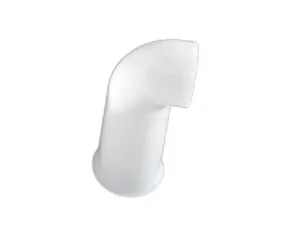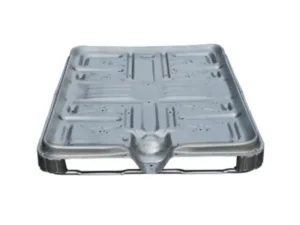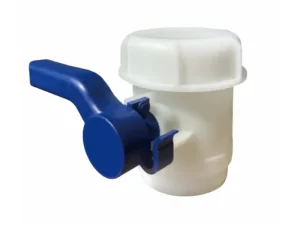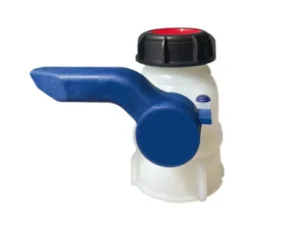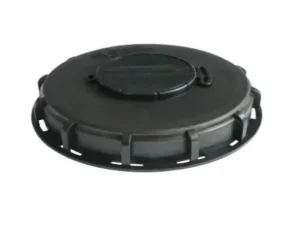
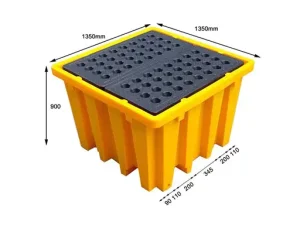
Wholesale China Suppliers Factory IBC Spill Containment Pallet for Chemical and Oil Spill Prevention Manufacturers, Factory
View Product Details
Explore our primary industrial fluid containment solutions, precision molded components, and heavy-duty closure systems direct from our Shandong manufacturing facilities.
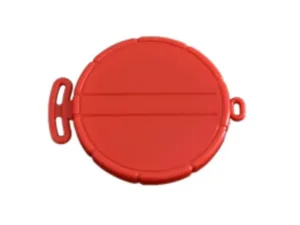
In the global chemical, agrochemical, coatings, and hazardous waste logistics sectors, container closure integrity (CCI) represents the single most critical point of failure. Selecting a qualified China corrosion resistant plastic bucket lid supplier requires a deep understanding of polymer degradation physics, mechanical strain management, and severe media compatibility.
Standard Polypropylene (PP) and High-Density Polyethylene (HDPE) resins often fail when exposed to aromatic hydrocarbons or strong oxidizing acids. Leading Chinese manufacturers leverage High Molecular Weight High-Density Polyethylene (HMW-HDPE) engineered with bimodal molecular weight distributions. This increases tensile yield strength while maintaining exceptional impact resistance at sub-zero temperatures (-20°C to -40°C).
For zero-permeation requirements involving fluorinated solvents or volatile agrochemicals, standard polyolefins are upgraded via inline or secondary gas-phase fluorination (Level 3 to Level 5 treatment). This process modifies the interior polymer surface by replacing hydrogen atoms with fluorine atoms, creating an chemically inert fluorocarbon barrier (CF2-CF2 layer) that halts solvent migration and container paneling.
A lid is only as chemically resistant as its sealing ring. Our suppliers integrate precision-molded EPDM (Ethylene Propylene Diene Monomer) gaskets for polar chemicals and acids, Fluoroelastomer (FKM / Viton) for aliphatic/aromatic hydrocarbons, and PTFE-encapsulated silicone gaskets for high-purity electronic-grade chemicals requiring absolute zero extraction contamination.
| Chemical Category | Standard HDPE Lid | Fluorinated HMW-HDPE Lid | Recommended Gasket Elastomer | UN Rating Suitability |
|---|---|---|---|---|
| Concentrated Acids (e.g., HNO3, HCl 37%) | Moderate (Risk of embrittlement) | Excellent (Zero degradation) | EPDM / FKM (Viton) | UN 1H2/Y1.5/100 |
| Aromatic Solvents (Xylene, Toluene) | Poor (Severe swelling & permeation) | Excellent (Level 5 Fluorinated) | PTFE Encapsulated / FKM | UN 1H2/Y1.9/200 |
| Surfactants & Industrial Detergents | Susceptible to ESCR cracking | Superior ESCR Modified HDPE | EPDM / NBR | UN 1H2/X1.8/250 |
| Food-Grade Oils & Organic Esters | Good (Risk of flavor transfer) | Excellent (FDA Virgin Resin) | Food-Grade Silicone / EPDM | Non-Dangerous / FDA 21 CFR |
The plastic closure industry in China is undergoing a massive technology shift. No longer limited to basic injection molding, top-tier suppliers are integrating nanotechnology, automated degassing valves, and circular economy polymers into their R&D pipelines.
By blending pristine graphene nanoplatelets and surface-modified organoclays into PP and HDPE matrices at 0.5%–2% weight loading, structural rigidity and tortuous path gas barrier properties increase by up to 350%. This enables thinner-walled bucket lids (lightweighting) while matching or exceeding the drop-impact strength and creep resistance of traditional heavy closures.
Active liquid formulations such as Hydrogen Peroxide, peracetic acid, or biological fertilizers generate gas during storage, causing bucket swelling or explosion. Advanced lids now incorporate hydrophobic and oleophobic expanded Polytetrafluoroethylene (ePTFE) venting membranes heat-sealed directly over internal relief channels, balancing internal pressures automatically without liquid egress.
To combat product adulteration in overseas distribution networks, modern China plastic bucket lid suppliers integrate dual-action tear bands, conductive RFID tags embedded directly during the injection molding process (In-Mold Electronics - IME), and laser-etched high-density QR codes for track-and-trace security.
With stringent EU Packaging and Packaging Waste Regulation (PPWR) targets approaching, suppliers are perfecting co-injection lid structures. A virgin food-grade or chemically inert HDPE outer shell encapsulates a 30%–50% PCR-HDPE inner core, delivering environmental compliance without sacrificing chemical resistance or mechanical performance.
China’s manufacturing ecosystem, centered in industrial clusters like Shandong (Linyi City), has transformed from high-volume manufacturing to smart, data-driven Industry 4.0 production networks.
Traditional hydraulic injection machines suffer from minor pressure fluctuations that result in wall thickness variations, internal molded-in stress, and warping on large-diameter bucket lids. Chinese factories utilize all-electric injection molding presses (ranging from 450T to 1200T) equipped with closed-loop servo control, maintaining cavity pressure accuracy within ±0.1 bar.
By conducting prior Moldflow® simulation analysis, tool design engineers eliminate weld lines, air traps, and gate blush near critical sealing surfaces. Multi-cavity hot runner molds manufactured from premium Swedish Stavax ESR stainless steel guarantee tight dimensional tolerances across millions of production cycles.
Human contact is eliminated in high-efficiency manufacturing lines. 6-axis articulated robots extract freshly molded bucket lids, transfer them to automated cooling carousels, and place them into high-speed gasket insertion systems. Optical CCD vision cameras inspect 100% of finished lids for gasket misplacement, flash, or surface voids before automatic box packing.
For enterprise procurement directors and chemical packaging engineers, purchasing plastic bucket lids solely based on initial unit price often leads to catastrophic supply chain failures. A complete Total Cost of Ownership (TCO) model must account for quality verification, shipping efficiency, and risk mitigation.
Prior to issuing a Purchase Order, enterprise buyers must audit supplier lab test reports for four key physical parameters:
Freight costs represent a major percentage of landed lid costs. Top-tier Chinese suppliers engineer lid geometry for high nesting density. Stackable lid profiles minimize volumetric air shipping, allowing up to 40% more units per 40-foot High Cube (40HC) container, drastically reducing ocean freight cost per unit.
Leading suppliers offer low-risk OEM/ODM mold development. Procurement teams can order customized brand embossing, color matching according to Pantone/RAL standards, and tailored thread pitches (such as Buttress threads or DIN standard neck finishes) with rapid tooling lead times of 15 to 25 days.
Navigating global chemical packaging regulations requires suppliers to hold valid, verifiable certifications across multiple international jurisdictions.
For the transport of hazardous chemicals, bucket lids must comply with UN Recommendations on the Transport of Dangerous Goods (UN 1H2 open-head packaging). Qualified China suppliers perform drop tests, leakproofness tests, and stacking tests overseen by accredited third-party labs (SGS, TÜV, or national inspection bureaus).
Lids intended for food ingredients, edible oils, or pharmaceuticals must conform strictly to US FDA 21 CFR 177.1520 (olefin polymers) and European Union Regulation (EU) No 10/2011 on plastic materials intended to come into contact with food. Full migration testing (overall and specific migration limits) documentation is supplied with every shipment.
Our raw materials and color masterbatches are guaranteed free of Substance of Very High Concern (SVHC) under EU REACH regulations, comply with RoHS Directive 2011/65/EU, and adhere to CONEG / EU Directive 94/62/EC heavy metal concentration limits (combined sum of Lead, Cadmium, Mercury, and Hexavalent Chromium < 100 ppm).
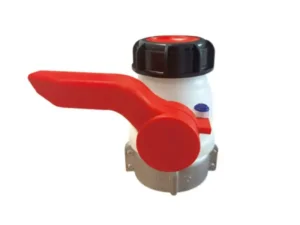
Discover our complete range of liquid handling accessories, IBC valves, heavy-duty lids, and specialized structural frames manufactured for international industrial buyers.