
Chemical Resistant IBC Tanks & Component Catalog
Explore our top-tier bulk container assemblies, precision-molded covers, corrosion-proof bottom valves, and structural replacement hardware manufactured directly in our Shandong production facilities.
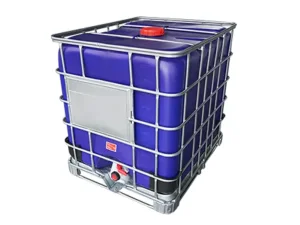
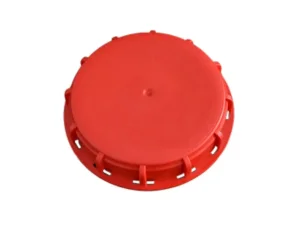
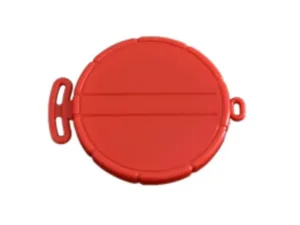
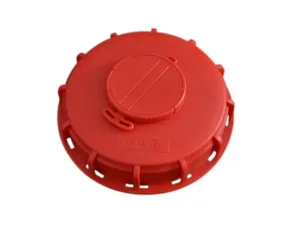
Macro Industry Dynamics: The Global Shift Toward High-Barrier Chemical Containers
Analyzing the technical evolution, regulatory pressures, and supply chain demands driving modern industrial chemical packaging optimization.
Rising Regulatory Stringency (UN & REACH)
Global dangerous goods (DG) transportation via sea, rail, and highway requires certified structural integrity. Rigorous international maritime standards (IMDG Code) and European ADR frameworks dictate strict environmental stress crack resistance (ESCR) and zero-permeation thresholds for corrosive and flammable liquid bulk shipments.
Polymer Engineering Breakthroughs
Standard HDPE totes are increasingly being replaced by multi-layer co-extruded inner bottles featuring fluorinated outer surfaces or integrated EVOH gas-barrier layers. These polymer advancements mitigate chemical swelling, prevent organic solvent migration, and maintain long-term structural tensile strength.
Total Cost of Ownership (TCO) Optimization
Leading chemical manufacturers are shifting away from single-use 200L drums to reusable, high-cube 1000L Intermediate Bulk Containers (IBCs). Utilizing IBC containers maximizes freight payload efficiency by up to 35% while eliminating drum disposal fees and labor-intensive handling costs.
Non-fluorinated plastic totes containing aggressive organic solvents (such as toluene, xylene, or chlorinated hydrocarbons) undergo micro-permeation. Over a 90-day transit cycle, non-treated HDPE bottle walls absorb solvent molecules, leading to container wall softening, volumetric loss, and structural cage collapse under stacking weight. Our specialized Level 3 and Level 5 fluorination treatments create a fluorocarbon protective barrier ($C-F$ molecular bond), cutting solvent vapor diffusion rates by up to 98.5%.
Chemical Compatibility & Material Performance Matrix
Selecting the exact polymer blend, elastomeric gasket seal, and valve seating for high-concentration acids, alkalis, oxidizers, and fine organic chemicals.
| Chemical Medium Category | Representative Reagents | Recommended Inner Bottle Polymer | Optimal Gasket / Valve Material | Compatibility Rating |
|---|---|---|---|---|
| Concentrated Mineral Acids | Hydrochloric Acid (37%), Sulfuric Acid (98%), Nitric Acid (<65%) | High-Molecular HDPE (HMW-HDPE) / UV-Stabilized | FKM (Viton) / PTFE Sealing Disc | Class A (Excellent) |
| Strong Alkalis & Caustics | Sodium Hydroxide (50%), Potassium Hydroxide, Ammonia Solution | High-Density Polyethylene (HDPE) | EPDM / Polypropylene Body | Class A (Excellent) |
| Non-Polar Organic Solvents | Toluene, Xylene, Hexane, Methylene Chloride | In-Line Level 5 Fluorinated HDPE / EVOH Barrier | PTFE (Teflon) / Stainless Steel DN50 Valve | Class A (Superior Barrier) |
| Light-Sensitive Reagents | Agrochemical Formulations, Hydrogen Peroxide Solutions | Blue/Black Light-Proof Opaque HDPE Container | EPDM + Pressure Relief Vent Cap | Class A (Zero UV Degradation) |
| Food Grade & Ultra-Pure Media | Acetic Acid, Liquid Additives, High-Purity Water | 100% Virgin Virgin FDA-Compliant HDPE | Food Grade Silicone / EPDM | Class A (FDA Certified) |
Inner Bottle Extrusion
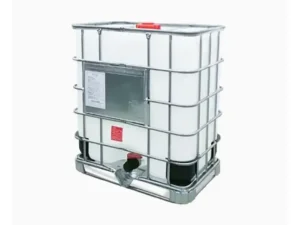
Blow-molded using high-density high-molecular-weight polyethylene (HMW-HDPE) resin. Offers outstanding rigidity, impact strength at negative temperatures (-40°C), and resistance to stress cracking under internal pressure build-up.
Outer Cage Galvanization
Welded tubular steel grid constructed from heavy-gauge galvanized steel piping (Z275 zinc coating density). Designed to resist atmospheric salt spray corrosion, stacking deformation, and dynamic transit vibration forces.
Valve & Discharge Integrity
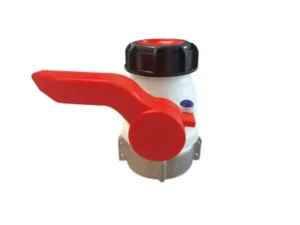
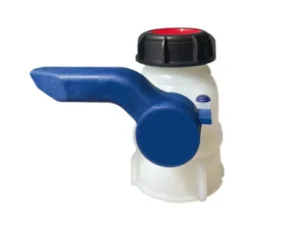
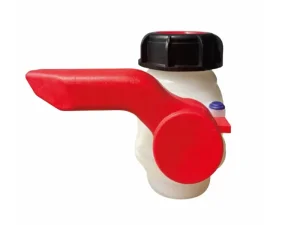
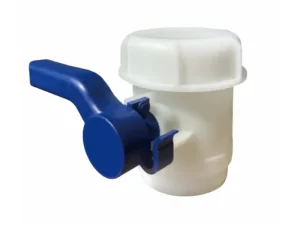
Precision-engineered DN50 (2-inch) and DN80 (3-inch) welded butterfly or ball valves. Designed with double-eccentric sealing discs, high-torque polypropylene handles, and secondary safety dust caps to eliminate drop leaks.
Rigorous Factory Testing & Manufacturing Standards
Every chemical IBC tank batch produced in our facilities undergoes four mandatory physical validation checks before receiving dispatch approval.
1. Pneumatic Leakage Test
Submerged or automated pressure decay testing performed at 30 kPa for a continuous 5-minute cycle. Ensures zero micro-porosity along bottle weld seams and valve thread interfaces.
2. Cold Drop Impact Test
Containers are conditioned at -18°C for 24 hours, filled to nominal capacity with anti-freeze fluid, and dropped from a height of 1.9 meters onto a rigid concrete target to verify shatter resistance.
3. Stacking Load Test
Simulating 3-high full container stacking during ocean freight. The container is subjected to a top load exceeding 4,600 kg at 40°C for 28 consecutive days without structural cage buckling.
4. Hydraulic Internal Pressure
Bottles are subjected to an internal hydrostatic pressure of 100 kPa for 10 minutes to ensure structural integrity under volatile thermal expansion and air freight pressure differentials.
Tailored Application Scenarios Across Global Markets
From fine chemical plants in Western Europe to mining operations in South America, our chemical IBC tanks deliver localized reliability.
Agrochemical Formulations & Pesticides
Exporting concentrated pesticides, herbicides, and liquid fertilizers demands UV protection and non-vented gas-tight caps. Our light-proof blue and black IBC containers block 100% of photosensitive wavelengths, preventing active ingredient thermal degradation during long ocean transits.
Semiconductor & Electronic Reagents
High-purity electronic chemical manufacturing requires ultra-low trace metal ion leaching. Our cleanroom-molded virgin HDPE tanks eliminate metal contamination, serving ultra-pure acid and solvent distribution circuits in East Asia and North America.
Petrochemical Additives & Lubricants
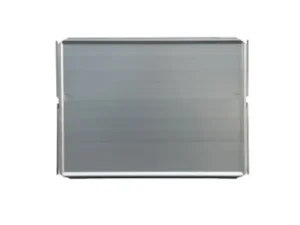
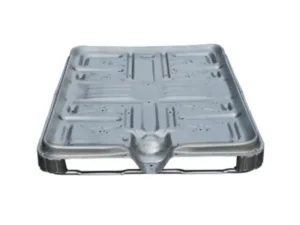
Engineered for synthetic lubricants, oil additives, and fuel treatment blends. Combined with lightweight rust-proof aluminum or galvanized steel pallet bases, these IBCs streamline automated warehouse racking and forklift transit across global hub logistics centers.
Industrial Waste & hazardous Recovery
Heavy-duty IBC totes paired with breathable venting lids allow safe off-gassing when collecting waste acid, spent solvents, and liquid chemical residue from industrial plating and chemical manufacturing operations.
Localized Compliance, OEM Sourcing & Logistics Support
Navigating international regulatory requirements with complete factory-direct OEM/ODM capabilities, certified UN documentation, and fast supply chain dispatch.
Factory Direct OEM / ODM Capabilities
Custom tooling design up to 0.005mm machining precision. We offer custom container colors, laser-engraved stainless steel nameplates, company logo embossing, customized valve thread pitch (S60x6, Camlock, NPT), and specialized gasket materials tailored to your technical RFQ specifications.
UN Certification & Export Compliance
Every dangerous goods rated container is stamped with official UN markings (e.g., UN 31HA1/Y/...), compliant with DOT, ADR/RID, and IMDG code requirements. Complete certificates of analysis (COA) and batch inspection reports accompany every export sea container shipment.
Container Freight Optimization
Standardized 1000L IBC footprint (1200 x 1000 mm) allows optimal container loading efficiency. A standard 40ft High Cube sea container accommodates 42 completed IBC totes or up to 80 unassembled inner bottle/cage sets, minimizing ocean freight costs per unit.
Technological Roadmap & Next-Generation Packaging Solutions
Pioneering smart telemetry integration, eco-friendly circular resin compounding, and ultra-high barrier surface engineering for the next decade.
Incorporating ATEX-certified wireless IoT sensors into top lid caps for real-time tracking of fluid levels, internal pressure build-up, ambient temperature, and GPS location history during global multimodal transport.
Developing multi-layer co-extrusion inner bottles with up to 30% Post-Consumer Recycled (PCR) resin encapsulated in the middle layer, preserving 100% virgin HDPE chemical contact surfaces while reducing corporate carbon footprints.
Advancing beyond fluorination with PECVD nano-coatings, creating ultra-thin hydrophobic glass-like silica coatings ($SiO_x$) inside the bottle wall for absolute chemical inertness and zero trace-solvent absorption.
Introducing quick-change modular butterfly valves with tool-free replaceable seats and seal inserts, extending the operational service lifecycle of reusable chemical IBC containers by over 50%.
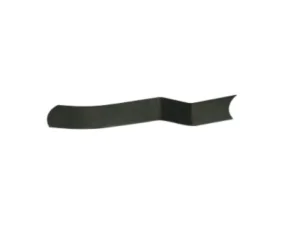
Replacement Components, Valves & Specialized Lids
Maintain and upgrade your industrial container fleet with precision factory-fitted replacement valves, breathable covers, nameplates, and structural accessories.
Frequently Asked Questions: Industrial Procurement & Engineering
Expert technical responses to common questions regarding chemical compatibility, UN marking certifications, valve specifications, and factory wholesale logistics.
How do I determine whether my chemical liquid requires a fluorinated IBC container?
Fluorinated IBC totes are strongly recommended for non-polar organic solvents, aromatic hydrocarbons (e.g., benzene, toluene, xylene), chlorinated solvents, and aggressive essential oils. Non-treated HDPE absorbs non-polar molecules, resulting in wall swelling, softening, volumetric loss, and container collapse under stacking weight. Fluorination creates an active fluorocarbon protective barrier ($C-F$ bond) that reduces solvent vapor permeation by up to 98.5%.
What is the structural difference between a vented (breathable) lid and a solid sealing lid?
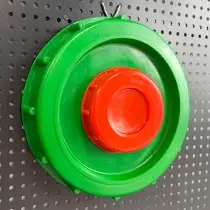
Vented breathable covers integrate a microporous PTFE membrane or pressure-relief check valve (opening at 0.2–0.5 bar). These are essential for liquids that release gas (such as hydrogen peroxide, sodium hypochlorite, or organic acids) or when high-speed liquid discharge could create an internal vacuum, causing container wall implosion. Solid gasketed sealing lids are designed for volatile solvents and stable liquids requiring zero air exposure and leak-proof ocean transport.
What UN certifications do your chemical IBC tanks carry for dangerous goods transport?
Our heavy-duty chemical IBC containers are certified under the UN 31HA1 classification (31 = rigid IBC for liquids; H = rigid plastic; A = steel outer casing; 1 = composite inner bottle). They are tested and approved for liquids with a specific gravity up to 1.9, meeting IMDG Code (maritime freight), ADR/RID (European road/rail), and US DOT 57 dangerous goods packaging standards.
Which valve gasket material should I select: EPDM, FKM (Viton), or PTFE?
Selection depends entirely on chemical reactivity: EPDM offers excellent resistance to caustics, alkalis, and polar solvents like alcohols, but fails in petroleum oils. FKM (Viton) excels with concentrated acids, mineral oils, and aromatic hydrocarbons. PTFE (Teflon) provides universal chemical inertness across virtually all organic solvents, acids, and reactive media.
What lead times and Minimum Order Quantities (MOQ) apply for factory direct export orders?
Standard catalog items (such as standard DN50 butterfly valves, S160/S245 lids, and standard 1000L IBC totes) are maintained in bulk warehouse inventory with a 3-day dispatch window. Custom OEM projects (specialized bottle colors, custom fluorination, embossed nameplates, or non-standard thread pitches) typically require 10–15 business days following sample approval.
Can your IBC containers be safely reconditioned or washed for multi-trip circular use?
Yes. Our inner bottles are molded with smooth interior wall surfaces to prevent chemical residue adherence, facilitating automated CIP (Clean-in-Place) washing systems. Furthermore, our modular cage construction and quick-replacement valve systems allow easy bottle replacement or component servicing during container reconditioning.