A PVC Pipe Cap is a small fitting with an important job: it closes the end of a PVC pipe. On a workbench, it may look like a simple plastic lid. Once fitted, it can help keep water, dust, insects, and debris out of an open pipe. Caps are used in plumbing, irrigation, drainage, and other piping projects, but the right choice depends on the pipe’s size, material, and purpose.
A cap may be temporary, such as when a line is being tested or left unfinished, or permanent, as part of a completed installation. Some caps slip over the pipe; others fit inside it. Solvent-weld caps create a fixed connection, while threaded versions can be removed when access is needed. That difference matters. A cap selected only by appearance may not fit securely or suit the system’s operating conditions.
As a practical rule, match the cap to the pipe’s outside diameter and connection type, then follow the product maker’s installation instructions. A cap is not automatically a pressure-rated seal. Check its specifications before using it on a pressurized line. The details can seem minor. They are not.
This guide explains what a PVC Pipe Cap is used for, how common styles differ, and what to check before installation. A named expert quotation should only be included when its source can be verified; without one, attributing a made-up statement would mislead readers.
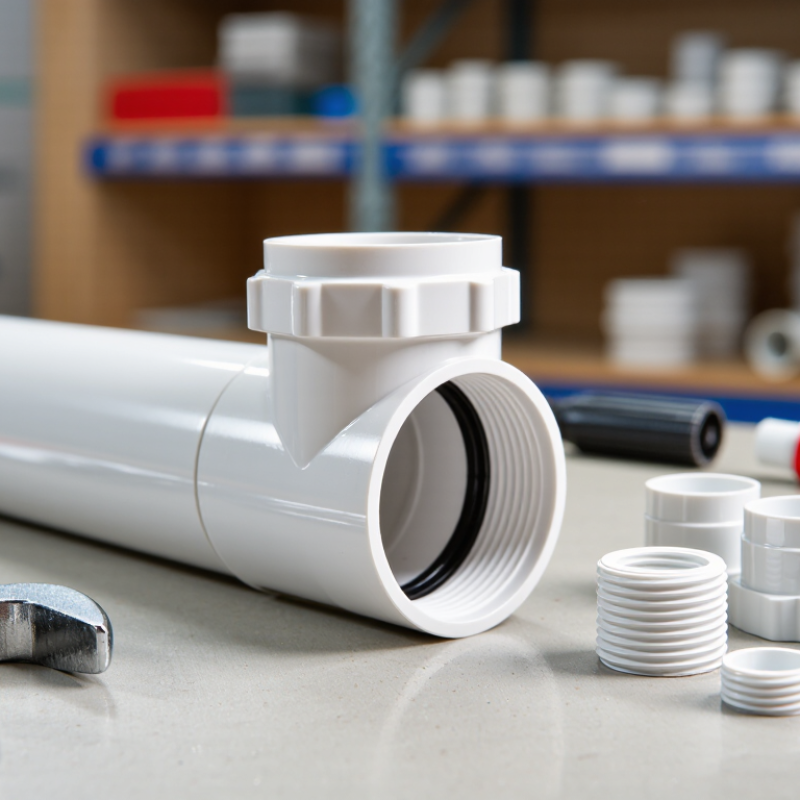
What a PVC Pipe Cap Is and How It Fits a Piping System
What Is a PVC Pipe Cap Used For?
A PVC pipe cap closes the open end of a pipe, forming a finished endpoint in a piping system. A slip-style cap fits over the pipe and is bonded with PVC solvent cement. A threaded cap connects to a matching threaded fitting. Both types stop flow at that end, but they do not work like valves. The cap becomes part of the system, not a convenient way to control water.
Caps can seal unused branch lines, protect pipe ends from dirt during installation, or close a line that may be extended later. Choose a cap that matches the pipe diameter, connection type, and service conditions. Pressure-rated systems need fittings specifically rated for their operating pressure. A cap that looks like the right size may still use the wrong connection. That mistake is easy to miss.
Tips: Cut the pipe square and remove burrs before fitting a slip cap. Keep joining surfaces clean and dry, and follow the cement maker’s instructions. Check that the line is drained and depressurized before closing it. For future access, remember that a cemented cap usually must be cut off, which can leave less pipe to work with.
What Is a PVC Pipe Cap Used For?
A PVC pipe cap closes the end of a pipe to stop flow or keep debris out. Solvent-weld socket caps fit over the pipe’s outside diameter.
In the U.S. sizing system, nominal pipe size is not the measured outside diameter. Choose a cap made for the pipe’s nominal size and compatible pressure rating.
The Main Functions of a PVC Pipe Cap
What Is a PVC Pipe Cap Used For?
The Main Functions of a PVC Pipe Cap
A PVC pipe cap closes the open end of a pipe, creating a simple barrier against water, dust, insects, and loose debris. On an outdoor irrigation line, for example, a cap can keep soil and small stones from entering while a section is stored or left unused. It also gives a clean finish to an exposed pipe end. A small part, but useful.
Caps can also help isolate a branch during maintenance or stop flow at the end of a line. The connection type matters: a solvent-weld cap is generally intended as a fixed joint, while a threaded cap can be removed for access. Do not assume every cap is suitable for pressurized service. Check the pipe system’s specifications, and use a cap rated for the expected pressure and fluid. A snug fit alone is not proof of a reliable seal.
For temporary protection, a cap may be easier to remove than tape or a makeshift plug, though it still needs the correct size. Before installation, cut the pipe square and clear away burrs; uneven edges can interfere with the joint. One detail is easy to overlook: a capped line can still hold trapped water or pressure. It is worth checking the system before opening or changing the cap.
Common PVC Pipe Cap Types and Their Connections
What Is a PVC Pipe Cap Used For?
PVC pipe caps close the open end of a pipe, helping contain water or keep debris out. The right cap depends on how it connects and what the line carries.
A socket cap fits over a plain pipe end. The pipe and cap are joined with PVC primer and solvent cement, where required by the product instructions. Once set, this is usually a permanent connection. It suits a branch that will stay closed. It is less convenient when future access matters.
A threaded cap has female threads that screw onto a matching male-threaded fitting. It can be removed for inspection, but careful tightening matters: too much force may damage the fitting. Use a compatible thread sealant when specified, and avoid treating tape or sealant as a fix for mismatched threads.
That distinction matters. Some caps are rated for pressurized water, while others are intended for drainage applications. Check the pipe system’s pressure rating and the cap’s markings before installation. A cap is not always the right choice for a service opening; a cleanout adapter with a threaded plug may be more practical.
I still double-check the connection type before cementing anything. That small pause can prevent a stubborn, permanent mismatch.
How to Choose a Cap for a PVC Pipe
A PVC pipe cap closes an open pipe end, but the right choice depends on the application. Start by checking the pipe’s nominal size, not just its outside diameter. Compare the size printed on the pipe with the cap’s stated size. A slip cap fits over a compatible pipe end, while a threaded cap connects to matching threads. Do not force mismatched parts.
Consider what the pipe carries and whether it is under pressure. A cap for a low-pressure drain may not be suitable for a pressurized water line. Check the cap’s pressure rating and compatibility with the pipe’s schedule. For a permanent slip connection, use the recommended primer and cement, following their directions. A dry fit helps confirm alignment before bonding. It can feel snug; that alone does not prove a secure seal.
For threaded connections, hand-tighten first and use a wrench sparingly. Less is safer. Excess force can damage threads or the fitting. Also consider where the cap will sit: an outdoor pipe may need protection from prolonged sunlight, and a capped line that needs future access may call for a removable threaded cap. One detail is easy to overlook: confirm the cap’s material and temperature limits for the actual service. If the pipe system’s requirements are unclear, check its documentation or ask a qualified plumbing professional.
How to Install and Remove a PVC Pipe Cap
What Is a PVC Pipe Cap Used For?
How to Install and Remove a PVC Pipe Cap
A PVC pipe cap closes an open pipe end, helping keep out water, dirt, and insects. It may also seal an unused branch or finish a line during repairs. Choose a cap that matches the pipe size and connection type. A slip cap fits over the pipe; a threaded cap screws onto matching threads. Check the fit before applying anything.
For a permanent slip-cap connection, cut the pipe square and remove burrs with a deburring tool or fine sandpaper. Wipe away dust, then use primer and PVC cement according to their instructions. Coat the pipe and cap socket evenly, push the cap fully into place, and hold it steady while the joint sets. Work with ventilation and wear eye protection. Allow the stated curing time before restoring pressure. Small details matter.
To remove a threaded cap, relieve pressure first, then turn it counterclockwise while supporting the pipe. Avoid twisting the whole line. A solvent-welded cap usually cannot be removed intact; cut the pipe just behind it with a pipe cutter, leaving enough straight length for a new fitting. I’ve seen rushed cuts leave too little pipe, so measure twice. If the line may carry pressure or its purpose is unclear, get a qualified plumber to check it.
What Is a PVC Pipe Cap Used For? - How to Install and Remove a PVC Pipe Cap
| Topic |
Details |
Practical Guidance |
| Main purpose |
A PVC pipe cap closes the end of a pipe to stop flow and help keep debris, insects, or moisture out. |
Use a cap that matches the pipe’s nominal size, material, and connection type. |
| Common applications |
Capping an unused branch, temporarily closing a line during work, or ending a water or drainage run. |
Confirm that the cap and pipe are suitable for the system’s intended use and operating conditions. |
| Solvent-weld cap |
A slip-style cap is joined to compatible PVC pipe with primer and solvent cement where required by the product instructions and local code. |
This connection is generally treated as permanent. Clean and prepare the pipe and fitting, apply products as directed, and allow the specified cure time before testing or use. |
| Threaded cap |
A threaded cap screws onto a matching threaded pipe end or fitting and can usually be removed for access. |
Use a compatible thread sealant when appropriate. Start the threads by hand and tighten without excessive force to avoid damage. |
| Basic installation |
Cut the pipe square, remove burrs, and dry-fit the cap to check alignment and fit. |
For solvent-weld joints, follow the cement and primer instructions, hold the joint briefly as directed, and observe the stated cure time. |
| Removing a threaded cap |
Threaded caps are designed to be unscrewed, provided the threads are not seized or damaged. |
Relieve system pressure first, then turn the cap counterclockwise while supporting the pipe or fitting. |
| Removing a solvent-weld cap |
A cured solvent-weld joint is not intended to be unscrewed or pulled apart. |
The usual method is to cut the pipe behind the cap, then install a new compatible fitting. Check that enough pipe remains for a sound connection. |
| Safety and testing |
A cap’s suitability depends on its material, connection, pipe system, and service conditions. |
Depressurize before work. Do not use open flames or uncontrolled heat to loosen PVC. Test the completed line using the procedure appropriate to the system and local requirements. |
Conclusion
A Pvc Pipe Cap is a fitting that closes the open end of a PVC pipe, creating a simple barrier within a piping system. It can help keep out dirt and debris, prevent water from escaping an unused line, and provide a neat way to seal a pipe branch or end point. Caps are available in different shapes and connection styles, including slip-fit designs that attach over the pipe and threaded versions that screw into place. The right type depends on the pipe’s size, connection, intended use, and whether the closure needs to be temporary or more permanent.
Before choosing a cap, check the pipe’s outside diameter and match the fitting’s connection style. For installation, clean and dry the pipe end, then attach the cap according to its design; a slip-fit cap may use suitable joining material, while a threaded cap should be tightened securely without forcing it. To remove a cap, use a careful method suited to the connection so the pipe and fitting are not damaged.