
7 IBC Tote Buying Tips for Global Buyers

Time:2026-09-24 Author:Henry
0%

Choosing an IBC Tote for international operations requires more than comparing prices on a supplier’s website. The container must fit the product, filling process, transport route, storage area, and local handling equipment. A tote that looks suitable may fail when exposed to sunlight, temperature changes, repeated movement, or uneven warehouse floors. Small details matter. Valve design, pallet strength, cage condition, liner compatibility, and outlet size can affect the entire shipment.

As IBC packaging specialist Michael R. Lawson explains, “A reliable IBC Tote is selected for the complete journey, not only for the filling point.” This principle guides the seven buying tips in this article. Global buyers will examine material specifications, food or chemical compatibility, UN certification where applicable, supplier inspection records, and after-sales support. They should also confirm dimensions before ordering. A few centimeters can prevent a tote from fitting through a doorway or inside a transport frame.

Ask practical questions. Can the supplier provide batch records? Are replacement parts available near the destination market? Has the tote been tested under realistic stacking conditions? These questions expose weak assumptions early. Even experienced purchasing teams can overlook regional delivery delays or different unloading equipment. That is worth admitting.

The best decision is not always the cheapest one. A lower purchase price may hide higher cleaning, leakage, handling, or disposal costs. By comparing specifications with real operating conditions, buyers can reduce surprises and build a more dependable international supply chain. Mistakes still happen. Careful verification makes them less expensive.
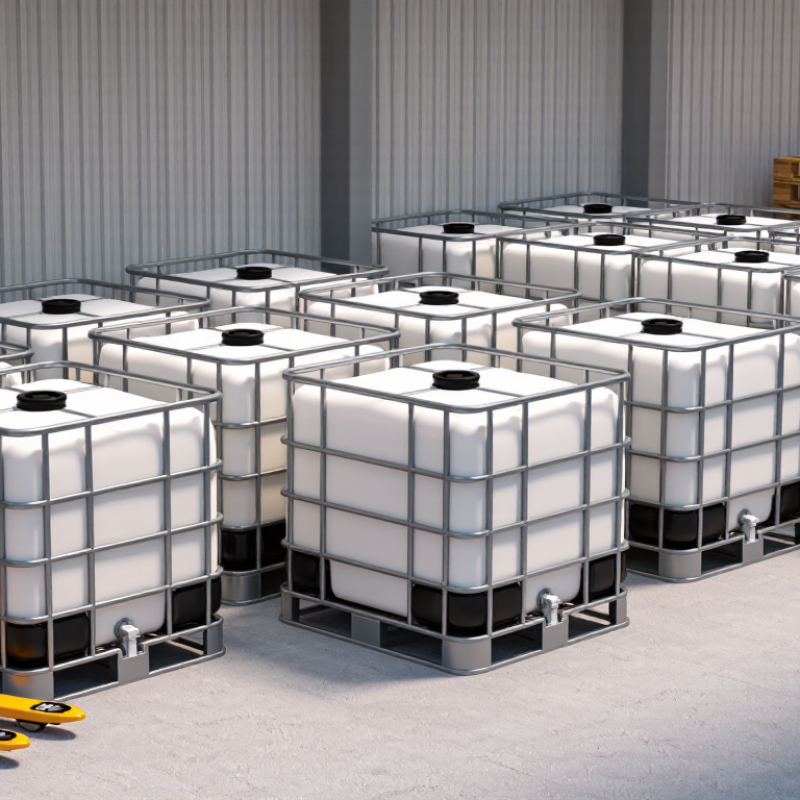
7 IBC Tote Buying Tips for Global Buyers

Define Your IBC Tote Capacity, Material, and Application Needs

7 IBC Tote Buying Tips for Global Buyers

Define Your IBC Tote Capacity, Material, and Application Needs

A 1,000-liter IBC tote is common, but it is not automatically the best choice. The United Nations Recommendations on the Transport of Dangerous Goods define IBCs as rigid or flexible bulk packages, generally exceeding 450 liters. Capacity must match filling equipment, storage space, and transport limits. Measure the doorway, pallet position, and forklift route. Small mistakes become expensive quickly.

Material selection depends on the product, temperature, and cleaning method. High-density polyethylene suits many water-based liquids, while stainless steel offers stronger heat and chemical resistance. ISO 21898 recommends evaluating large packaging performance through design, testing, and handling conditions. Request material certificates, wall thickness data, and valve specifications. Do not trust appearance alone.

Application details matter more than catalog photos. Check specific gravity, viscosity, filling temperature, discharge speed, and outdoor exposure. The 2023 Global Packaging Trends data from a major packaging research publisher identified sustainability and reusable transport packaging as continuing industry priorities. Still, “reusable” does not mean endlessly reusable. Cleaning records, inspection intervals, and closure replacement affect real service life. I have seen buyers focus on unit price and overlook liner compatibility. That decision often needs reconsideration. Ask for drop-test evidence, stacking limits, and traceable inspection documents before approving a shipment.

Check UN Ratings, Food-Grade Standards, and Regulatory Requirements

An IBC can look sturdy and still be wrong for the shipment. Check its UN marking against the product’s hazard classification and transport mode. The marking identifies a tested packaging type, but it does not approve every substance or route. Confirm the permitted density, test pressure, stacking limit, and closure instructions. Paperwork matters. Ask for current test and inspection records, especially for reconditioned totes.

For food or beverage use, “food grade” alone is too vague. Request documentation for the bottle resin, gasket, valve, and any liner that contacts the contents. Check that the intended food, temperature, and contact time fit the supplier’s declaration. A clear bottle may still have a non-compliant closure. Not just the cage. Also ask about prior use; residue can hide around the outlet, even after washing.

Rules can differ by destination, product, and transport method. Before ordering, check import requirements, chemical-contact rules, labeling, and any local packaging or waste obligations. Share the product details and route with the supplier, then verify critical requirements with a qualified compliance professional or relevant authority. It is easy to focus on unit price and miss a small document gap. That part deserves a second look.

Compare New, Reconditioned, and Reusable IBC Tote Options

7 IBC Tote Buying Tips for Global Buyers

Compare New, Reconditioned, and Reusable IBC Tote Options

New, reconditioned, and reusable IBC totes are not three strictly separate categories. “Reusable” describes repeated use; a tote may be new or reconditioned and still be suitable for multiple trips. New units offer a known history and consistent condition. Reconditioned units can lower purchase costs, but their quality depends on inspection and refurbishment. Check the inner bottle, cage, valves, seals, and test records. Not just price.

For perspective, the U.S. EPA’s Advancing Sustainable Materials Management report states that containers and packaging generated 82.2 million tons of U.S. municipal solid waste in 2018. The OECD’s Global Plastics Outlook reports 353 million tonnes of plastic waste worldwide in 2019, with only 9% recycled. These figures cover much more than IBC totes; they do not prove that reuse is always the better choice. They do make service life and end-of-use plans worth discussing.

Compare total cost across the expected number of trips, including cleaning, inspection, return freight, and downtime. A reusable program can lose its advantage when totes travel empty over long distances. Ask suppliers for documented compatibility with your product and handling conditions, plus clear inspection criteria. One imperfect detail buyers sometimes miss: “reconditioned” does not describe one uniform standard. Get the refurbishment scope in writing, and inspect a sample before ordering at scale.

Evaluate Supplier Quality, Documentation, and Global Shipping Support

A reliable IBC tote supplier should be able to explain how each unit is inspected, not just claim that it meets a quality standard. Ask about leak checks, valve condition, cage welds, and how damaged totes are separated from usable stock. Request recent inspection records and clear photographs of the actual inventory. Small details matter. A stiff valve handle or bent corner can delay unloading.

Documentation deserves the same attention as the container itself. Confirm that product specifications, material details, and any required test or cleaning records match your intended use. Check that shipping papers use consistent quantities, descriptions, and destination information. Ask who prepares the documents and who corrects errors. It sounds basic, but unclear responsibility can leave a shipment waiting while people exchange emails.

Global shipping support should include practical answers about packing, loading, transit estimates, and communication when schedules change. Ask whether the supplier can share loading photos and provide a named contact during dispatch. Clarify how freight damage or missing units are recorded on arrival. A supplier may offer a low price, yet vague delivery terms can erase the savings. Even a good supplier can miss a detail, so review the paperwork yourself before the cargo leaves.

7 IBC Tote Buying Tips for Global Buyers — Evaluate Supplier Quality, Documentation, and Global Shipping Support

Buying tip What to evaluate Useful checks and documents Why it matters
1. Match the tote to the product Confirm chemical compatibility, concentration, temperature range, and whether the contents are food, pharmaceutical, or industrial products. Request resin and gasket material details, compatibility information, and written confirmation for the intended application. Check with a qualified materials specialist where compatibility is uncertain. A container that is unsuitable for its contents may leak, degrade, or contaminate the product.
2. Verify construction and quality controls Review the inner bottle, cage, pallet, valve, cap, welds, and assembly consistency. Ask for product specifications, inspection criteria, production-lot traceability, and records of applicable leak or functional testing. Clarify how defects and corrective actions are handled. A documented quality process helps identify defects and supports consistent deliveries.
3. Check capacity, dimensions, and handling needs Compare nominal volume, footprint, overall height, tare weight, outlet configuration, and forklift or pallet-jack access with your facility requirements. Obtain a dimensioned drawing and confirm usable fill limits, stacking conditions, and compatibility with racks, doors, vehicles, and filling equipment. Nominal capacity alone does not confirm that a tote will fit or operate safely in your process.
4. Confirm regulatory status and documentation Determine whether the product and its intended use are subject to dangerous-goods, food-contact, or other market-specific requirements. Request applicable certificates, test summaries, declarations, and markings. For regulated dangerous-goods transport, verify that the approval is valid for the exact design, contents, and transport use. Requirements vary by product, route, and jurisdiction; a generic certificate may not cover your use case.
5. Assess new, reconditioned, and reuse options Decide whether new or reconditioned totes are acceptable, considering prior contents, cleaning, inspection, and intended product sensitivity. For reconditioned units, request prior-content disclosure where available, cleaning and inspection procedures, component replacement details, and acceptance criteria. Reuse can reduce material demand, but suitability depends on traceability, cleaning, condition, and the next contents.
6. Validate global shipping support Review export packing, shipment terms, lead times, destination-country requirements, and the supplier’s ability to provide shipping documents. Confirm the agreed Incoterms® rule and named place, packing method, commercial invoice, packing list, and any required transport or customs documents. Check whether empty totes ship nested or assembled. Clear allocation of transport costs, responsibilities, and paperwork helps prevent delays and unexpected charges.
7. Compare total cost and after-sales support Compare delivered cost, minimum order quantities, spare parts, warranty terms, response times, and replacement availability. Request a written quotation with currency, quantity breaks, lead time, payment terms, warranty scope, and a process for reporting transit damage or product defects. The purchase price is only one part of lifecycle cost; support and delivery reliability affect operating continuity.

Calculate Total Cost, Storage Life, and Long-Term Reuse Value

An IBC tote’s purchase price is only the beginning. Add freight, unloading equipment, cleaning, inspection, and storage space to estimate its real cost. A low quote can become expensive when a site needs special handling or extra warehouse room. Ask suppliers for dimensions, tare weight, and delivery details before comparing offers. Small details matter.

Storage life depends on the container’s materials, contents, exposure, and care. Sunlight, temperature swings, and rough handling can shorten useful service life. Keep totes on a level surface, protect them from unnecessary weather exposure, and follow the supplier’s guidance for inspection and maintenance. Check valves, fittings, and cage connections regularly. A quick visual check helps, but it cannot replace a proper inspection. That distinction is easy to overlook.

Estimate reuse value with a realistic number of trips, not the best-case figure. Include cleaning labor, downtime, return transport, and any parts that may need replacement. For example, a tote that travels far to return may cost more to reuse than to replace locally. Track actual service cycles for several months; early estimates are often too optimistic. I have seen neat spreadsheets miss the cost of waiting for a tote to come back. Use your own operating records, and leave room for uncertainty when comparing options.

FAQS

What should I check on an IBC’s UN marking?

Match the marking with the product’s hazard classification and transport method. It is not blanket approval. Also confirm density, test pressure, stacking limits, and closure instructions.

Does a UN marking approve every shipment?

No. It identifies a tested packaging type. It does not approve every substance, route, or handling condition. Verify the exact shipment requirements before ordering.

What documents should I request from the supplier?

Request current test and inspection records. For reconditioned units, ask for refurbishment details and inspection results. Paperwork gaps are easy to miss.

Is “food grade” enough for beverage or food use?

No. Request documentation for the bottle resin, gasket, valve, and liner. Check the intended food, temperature, and contact time. The closure matters too.

Why should I ask about an IBC’s previous use?

Previous contents may leave residue around the outlet. Washing may not remove everything. Ask for cleaning records and prior-use information.

Which IBC type is best: new, reconditioned, or reusable?

New units offer a clearer history and more consistent condition. Reconditioned units may reduce purchase costs. Reusable describes repeated use, not a separate quality category.

What should I inspect on a reconditioned IBC?

Inspect the inner bottle, cage, valves, seals, and records. Request the refurbishment scope in writing. Check a sample before placing a large order.

How should I compare the total cost?

Include cleaning, inspection, return freight, and downtime. A reusable program can lose savings when empty totes travel long distances. Unit price alone is incomplete.

Which regulatory details should I verify before ordering?

Check import rules, chemical-contact requirements, labeling, and waste obligations. Share the product and route with the supplier. Confirm critical points with a qualified professional or relevant authority.

Conclusion

Choosing the right IBC Tote starts with matching its capacity, construction material, and design to the product it will hold, the handling process, and the intended storage conditions. Buyers should also verify that the tote’s ratings, food-grade suitability, and supporting documents meet the requirements for their specific application and destination.

Compare new, reconditioned, and reusable options by considering condition, expected service life, and maintenance needs. Assess suppliers for consistent quality, clear documentation, and dependable shipping support. Rather than comparing purchase prices alone, calculate the total cost across transport, storage, handling, and potential reuse. A careful evaluation of these factors helps global buyers select an IBC Tote that fits operational needs and offers practical long-term value.

Henry

Henry

Henry is a dedicated marketing professional with a profound expertise in the company's offerings. With years of experience in the industry, he possesses an impressive understanding of the market dynamics and consumer behaviors that drive success. Henry is committed to sharing his insights through......