Choosing the right IBC Tank starts with the material you plan to store, not the container’s appearance. A clear liquid, a thick syrup, and a cleaning solution can place very different demands on the same tank. Consider chemical compatibility, capacity, temperature range, and how the contents will be moved or dispensed. Small details matter. A narrow doorway or low filling point can make a suitable tank awkward in daily use.
Next, look closely at construction and handling features. Check the inner container material, outer cage, pallet design, valves, and closures. Think about where the tank will sit: on a warehouse floor, a loading dock, or outdoors. A sturdy cage may help protect the container during routine handling, but it cannot prevent every impact or leak. Ask suppliers for product specifications and care instructions, and verify that the chosen model suits your application. Do not rely on a similar-looking tank as proof of compatibility.
The right choice also depends on cleaning, reuse, and maintenance needs. Inspect the valve and seams, especially after repeated filling or transport. Keep the tank accessible for checks. That sounds obvious, yet it is easy to overlook when space is tight. This guide explores the practical questions to ask before selecting an IBC Tank, from capacity and materials to handling and upkeep. No single model fits every operation. A careful comparison can reduce avoidable problems, though the final decision may still involve trade-offs.
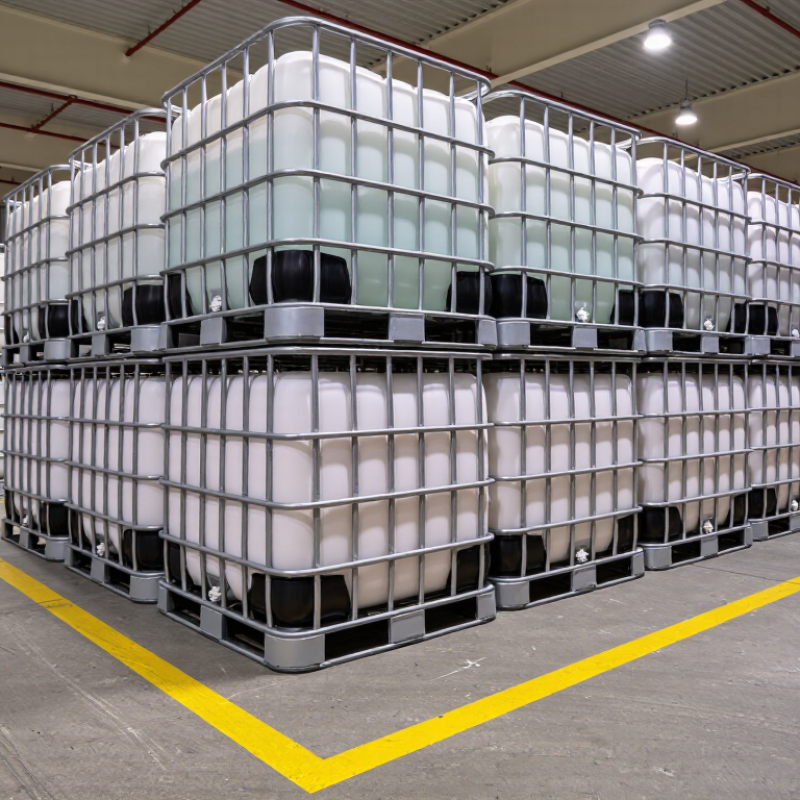
Understanding IBC Tank Types and Their Main Applications
Intermediate bulk containers differ in construction, and that affects what they can safely carry. A composite IBC pairs a high-density polyethylene inner vessel with a rigid metal cage. It suits many water-based products and compatible industrial liquids, while the cage helps protect the vessel during handling. An all-plastic IBC avoids a metal cage and can be useful where corrosion resistance matters. Stainless-steel models are often selected for demanding hygiene requirements, repeated cleaning, or products that need stronger temperature control. They are usually heavier and costlier, so that extra durability should match a real operating need.
Think about the liquid, the route, and the cleaning routine. A workshop moving compatible detergent between nearby sites may value stackability and easy forklift access. A food processor may need documented material suitability and a validated cleaning process, not simply a container that looks clean. Check the product’s compatibility with the tank, valves, seals, and temperature limits; one mismatched gasket can cause trouble. For outdoor storage, consider sunlight and weather exposure. Small details matter. A common mistake is choosing by capacity alone. No type fits every job, and supplier specifications should be checked against the actual product and handling conditions.
Assessing Capacity, Dimensions, and Handling Requirements
How to Choose the Right IBC Tank?
Capacity should follow the product, not the available warehouse space.
A 1,000-liter IBC is common, but a full load may exceed one metric tonne.
Check density before choosing the tank.
The UN Recommendations on the Transport of Dangerous Goods,
23rd revised edition, requires performance testing for many regulated IBC designs.
These tests include drop testing at heights up to 1.8 metres, depending on the assigned packing group.
That figure changes how you assess floor strength, pallet access, and forklift stability.
Measure the complete unit, not only the tank body. Include the cage, valve, cap, and lifting clearance.
Many standard units occupy roughly
1,200 by 1,000 millimetres, but actual dimensions vary by design and supplier.
Door width matters. So does rack height.
A tank that fits on paper may fail when a forklift approaches at an angle.
Handling data should include filled weight, centre of gravity, stacking limits, and valve protection.
ISO 21898:2024 provides relevant performance guidance for intermediate bulk containers, including mechanical handling considerations.
Do not rely on a catalogue photograph.
I have seen teams select capacity first, then discover that the discharge valve is inaccessible.
That shortcut feels efficient, but it is not always right.
Recheck the measurement sheet. Small errors become expensive during loading.
Selecting Compatible Materials for the Stored Contents
How to Choose the Right IBC Tank?
Selecting Compatible Materials for the Stored Contents
Material compatibility should guide every IBC tank decision. Product names alone are not enough. Concentration, temperature, storage time, and cleaning chemicals can change performance. High-density polyethylene suits many aqueous liquids, but strong solvents may soften or permeate it. Stainless steel offers better resistance for some aggressive contents, yet chlorides can trigger pitting. Small details matter.
UNEP’s Global Chemicals Outlook II projects global chemical production will triple by 2050. This growth increases the need for verified containment choices. ASTM D543 provides a recognized method for evaluating plastics against chemical exposure. ISO 16103 also addresses performance requirements for recycled plastic packaging used with regulated materials. Use supplier compatibility charts as screening tools, not final proof. A chart may not reflect heat, pressure, or repeated filling. I have seen apparently suitable containers fail after weeks of warm storage.
Tips: Confirm the exact chemical concentration. Check the maximum operating temperature. Review liner, gasket, valve, and outlet materials separately. Request immersion or aging-test results when the liquid is critical. Keep a sample log with exposure time and visible changes. Never rely on color or thickness alone. A thicker wall is not always safer.
When uncertainty remains, ask a qualified materials engineer to review the Safety Data Sheet and test conditions. Document the decision. That record supports safer purchasing and more consistent operations.
Checking Safety Standards, Certifications, and Reuse Conditions
How to Choose the Right IBC Tank?
Checking Safety Standards, Certifications, and Reuse Conditions
Choosing the right IBC tank begins with its intended contents, not its appearance. Check the tank plate for capacity, material, manufacture date, and approved service conditions. A certified tank should show clear markings and traceable test information. For transport, confirm that its certification matches the required national and international rules. Standards can differ by destination. Do not assume one certificate works everywhere.
Inspect the tank before accepting it. Look closely at the plastic bottle for cracks, swelling, discoloration, or chemical damage. Examine the metal cage for bent bars, broken welds, and heavy rust. The outlet valve should close smoothly, without leaks or forced movement. Check the gasket, cap, and protective fittings. Small defects matter. A clean surface does not prove safe reuse.
Reuse also depends on the previous contents. Ask for cleaning records, inspection reports, and the tank’s service history. Some materials can leave residues or weaken plastic over time. Confirm chemical compatibility using reliable technical data, not guesswork. A pressure or leak test may be necessary after long storage or visible damage. In practice, rushed inspections often miss valve wear. I have found that even clear records may contain gaps. When information is incomplete, replacing the tank can be safer than accepting an uncertain history.
Comparing Suppliers, Costs, Maintenance, and Delivery Options
How to Choose the Right IBC Tank?
Choosing an IBC tank involves more than comparing prices. The supplier should provide clear specifications, material details, test records, and traceability documents. Ask how tanks are inspected before dispatch. A reliable supplier should explain valve types, liner materials, cage strength, and suitable storage conditions. Response time matters too. If a supplier avoids technical questions, treat that as a warning sign. The lowest quote is not always the lowest cost. Compare tank price, freight, unloading charges, cleaning, inspections, and possible replacement parts. Request an itemized quotation. Hidden costs often appear later.
Maintenance requirements should influence the purchase decision. Inspect the cage for bent sections, corrosion, or loose welds. Check the outlet valve and gasket for leaks before each use. Keep tanks away from sharp edges, extreme heat, and unstable surfaces. Some users overlook sunlight exposure, which can weaken certain materials over time. Cleaning procedures must match the stored material and the tank’s construction. Do not assume every used tank is reusable. Its history matters.
Delivery planning can prevent expensive damage. Confirm lead time, pallet dimensions, truck access, and unloading equipment before ordering. Ask whether tanks are secured individually during transport. Photograph the shipment when it arrives, including seals, valves, and visible impact marks. A damaged valve may not be obvious immediately. I would also allow extra time for inspections, because schedules rarely stay perfect. No checklist catches every issue, but careful records make supplier problems easier to resolve.
FAQS
Composite tanks use a plastic inner vessel inside a protective metal cage. All-plastic tanks resist corrosion, while stainless-steel tanks suit demanding hygiene or temperature needs. Each type has trade-offs.
Check the exact liquid, concentration, temperature, and storage time. Review the tank, valve, outlet, and gasket materials separately. One mismatched seal can cause trouble.
No. Treat charts as a starting point, since heat and repeated filling can change performance. Request test results when the liquid is critical. Keep records.
Confirm documented material suitability and a validated cleaning process. A tank that looks clean may not be clean enough. That distinction is easy to miss.
Ask for material details, inspection records, and traceability documents. Request an itemized quote covering freight, unloading, cleaning, and replacement parts. A low price can hide costs.
Check for bent cage sections, corrosion, loose welds, and leaking valves before use. Keep the tank away from sharp edges, high heat, and unstable ground. Small details matter.
No. Its previous contents and cleaning history matter. Confirm the tank’s condition and suitability before reuse; appearance alone tells very little.
Confirm lead time, pallet dimensions, truck access, and unloading equipment. Photograph seals, valves, and impact marks on arrival. I’d allow extra inspection time, though schedules still slip.
Conclusion
Choosing the right IBC Tank begins with understanding the different types available and matching them to the intended application, whether for liquid storage, transportation, processing, or industrial handling. Consider the tank’s capacity, external dimensions, weight, stacking limits, and access requirements to ensure it fits your facility, equipment, and workflow. Handling features such as pallet design, discharge valves, lifting points, and mobility can also affect efficiency and safety.
Material compatibility is essential, so select a tank construction and inner lining that can safely hold the stored contents without contamination, corrosion, or deterioration. Before purchasing, verify relevant safety standards, certifications, inspection records, and the conditions for reuse. Finally, compare suppliers based on product quality, total cost, maintenance support, replacement parts, lead times, and delivery arrangements. A careful evaluation of these factors will help you choose a reliable IBC Tank that offers practical performance, safe operation, and long-term value.